Asia, XRP and the Next Wave of Growth
By Sagar Shah, Chief Business Officer, Evernorth
Earlier this month, Evernorth spent time in three of the most important XRP markets in the world: Seoul, Tokyo and Hong Kong.
One thing was clear in all three cities: Asia isn’t just participating in crypto. It’s a core driver of activity, liquidity and long-term opportunity.
South Korea: A Trading Powerhouse
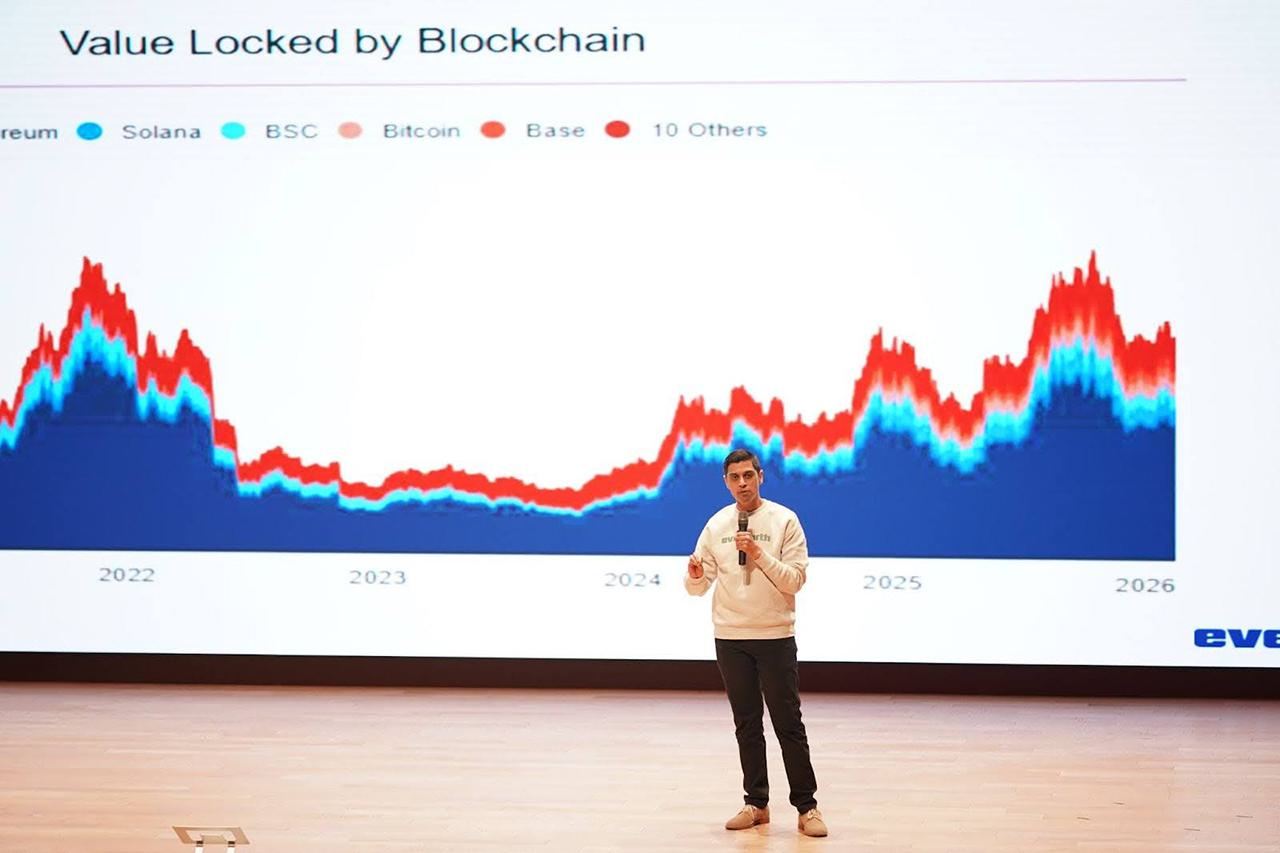
South Korea, 0.6% of the world’s population, represents an estimated ~33% of global XRP trading volume, according to South Korea’s Financial Services Commission. That’s an extraordinary figure for a single country. It tells us something important: XRP has deep retail recognition and strong exchange liquidity in Korea.
When in Seoul, we participated in the Changhoon Moon XRP Conference, and it was obvious that XRP has a passionate and technically informed community. Developers, traders and long-term holders are paying close attention to product updates, protocol amendments and ecosystem growth.
Liquidity matters. Markets with high trading volume tend to attract more products, more infrastructure and more institutional attention. Korea’s share of XRP trading makes it one of the most important markets globally for future adoption.
Japan: Regulatory Clarity Fosters Building
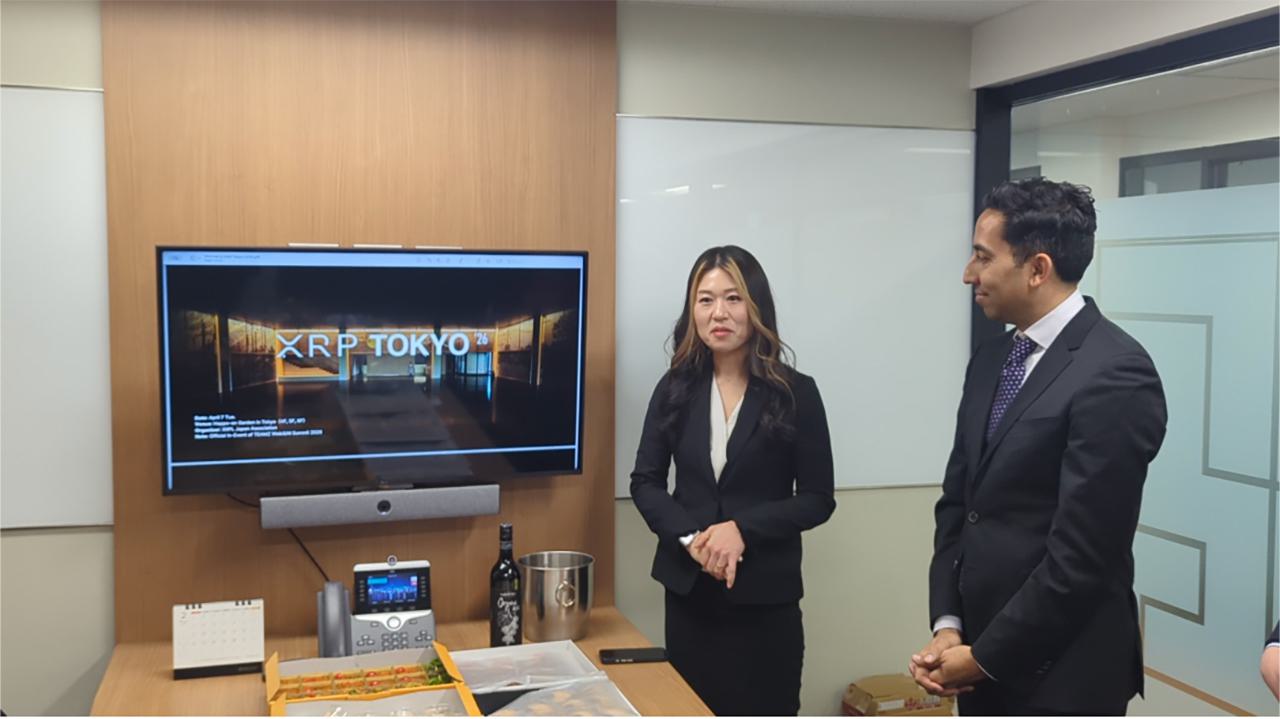
Meanwhile Japan tells a different, but equally important, story. Japan has historically taken a more structured regulatory approach to digital assets. XRP has long had visibility and integration in the Japanese market, and Japanese exchanges have been among the most active globally in supporting XRP trading pairs.
Japan has cemented its position as one of the most mature and favorable jurisdictions for XRP and the broader crypto market globally. While other regions have struggled with "regulation by enforcement," Japan has opted for a "regulation by integration" approach.
This regulatory clarity has turned Tokyo into a global hub for "industrial-grade" blockchain development. Instead of experimental pilots, we are seeing the rollout of infrastructure projects like the Japan Financial Infrastructure Innovation Program (JFIIP), which provides grants to startups building credit and tokenization layers specifically on the XRP Ledger. This shift from speculation to utility is best captured by the XRP Tokyo 26 track at this year's TEAMZ Summit, where the focus is entirely on how Japan’s new FIEA laws allow for the seamless merging of traditional banking and decentralized finance.
Hong Kong: Infrastructure and Digital Adoption
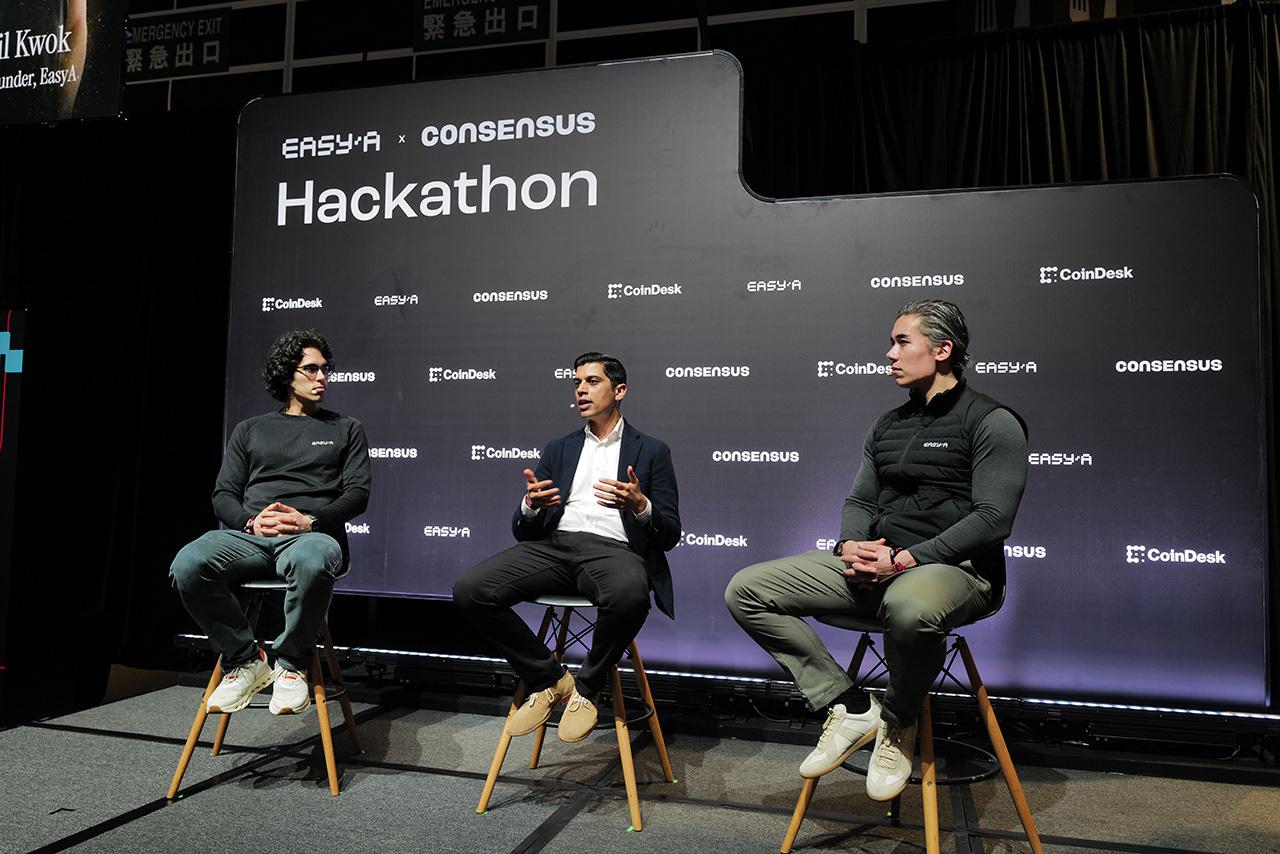
While in Hong Kong, I attended Consensus HK. There were a few key takeaways I had from my time with other blockchain enthusiasts from across the globe.
- Traditional Finance is Coming to the Blockchain
Earlier this month, Intercontinental Exchange (ICE) announced the launch of cash-settled futures for a number of major tokens, including XRP. Large investment firms are used to trading futures in regulated markets. They understand the structure. They understand the rules. And they have the systems in place to trade these types of products. By offering regulated, USD-denominated benchmarks via CoinDesk Indices, ICE is building the bridge that allows multi-billion dollar funds to gain exposure to the broader crypto ecosystem in ways they are already familiar and accustomed to - accelerating the speed of adoption. - DeFi is Becoming More Practical
New advancements in crypto lending platforms, including projects like Morpho and Aave, are making it easier for large investors to manage risk. The platforms now offer more controlled lending pools and “smart vaults,” which automate the process of earning yield. The rules are encoded, activity is transparent, and everything can be monitored in real time. Platforms like these effectively turn DeFi into a high-efficiency backend for traditional wealth management. - BlackRock: Asia is an Opportunity for Blockchain
According to Susan Chan, BlackRock's Head of APAC, speaking at Consensus HK, if Asian investors allocate just 1% of their estimated $108 trillion household wealth to digital assets it could inject nearly $2 trillion in new capital into the blockchain space. XRP is already popular in Asia, especially Japan and South Korea, where Evernorth has been investing considerable time and resources.
Why This Matters for XRP
XRP already has strong traction in Japan and South Korea, supported by deep exchange listing and high retail awareness.
APAC countries are trade-heavy and cross-border by nature. Fast, low-cost settlement resonates in this region. As the XRP Ledger expands into lending and tokenization, the opportunity grows beyond trading and into productive financial use. That’s when adoption becomes more durable.
The region has capital scale and digital readiness. That combination is powerful.
Where Evernorth Fits In
We view Asia as a strategic priority for Evernorth because adoption is moving beyond early enthusiasm into meaningful market depth. The region has both retail liquidity and significant household wealth.
Our goal is to help bridge public markets and on-chain participation by providing structured exposure to XRP and supporting ecosystem depth.
After spending time in Seoul, Tokyo and Hong Kong, one thing feels clear: the opportunity for XRP growth is active, it’s capitalized and it’s building.
This post contains forward-looking statements. Actual results may differ materially. Learn more: https://www.evernorth.xyz/press-release-10-20-2025